


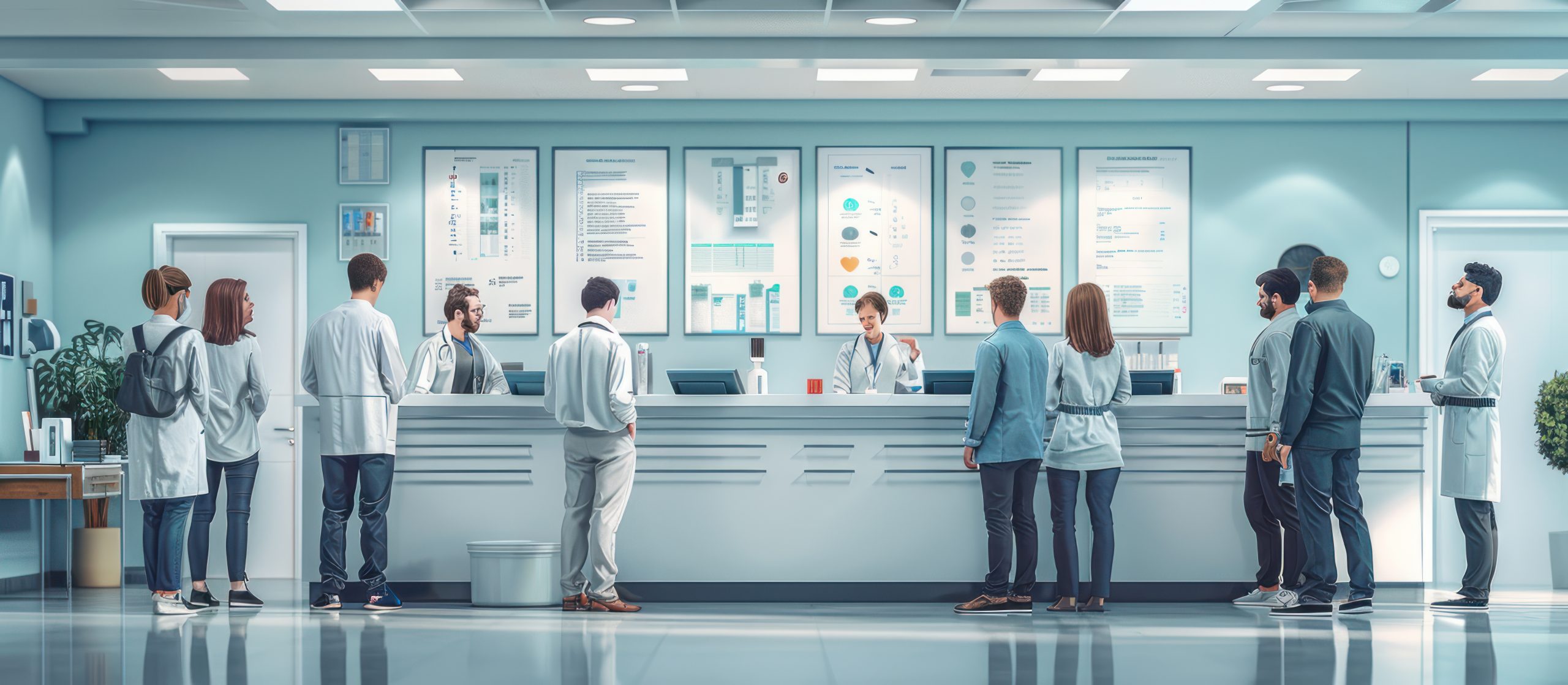
Patient safety is the foundational pillar of healthcare, and its importance cannot be overstated. It is vital not only for the health and well-being of individuals but also for the trust and credibility of healthcare institutions. In the high-stakes environment of hospitals, where complex procedures and life-or-death decisions are the norm, ensuring patient safety is of paramount importance. Achieving this level of safety involves a comprehensive, multifaceted approach, combining various strategies and methods aimed at reducing risks, preventing errors, and safeguarding the lives of those under medical care.
However, patient safety is not simply a matter of adhering to standard practices or implementing safety protocols in isolation. It demands a deep, organizational commitment to continuous improvement, one that engages every individual within the healthcare system. From top-tier administrators to frontline healthcare providers, the task of ensuring patient safety is a shared responsibility that requires constant vigilance, training, and collaboration. A culture of safety must be cultivated within every healthcare setting, where the well-being of patients is prioritized above all else. This culture involves fostering an environment in which patient safety is not only a routine practice but a core value woven into every decision made within the organization.
The journey toward safeguarding patient safety begins the moment a patient steps through the door of a healthcare facility. It’s a journey that requires careful attention to detail at every stage of a patient’s care, from initial intake to discharge. Every person involved—whether they are a nurse, a doctor, a technician, or even administrative staff—must be attuned to the importance of ensuring that no harm comes to patients. Hospitals must provide their staff with the tools, training, and resources to carry out their duties with an acute awareness of the risks and challenges inherent in healthcare delivery. In doing so, they create a collaborative network of professionals working toward a common goal: ensuring the safest possible experience for every patient.
The hospital environment is complex, often involving multiple departments, teams, and systems working in tandem. This complexity can, at times, present challenges for maintaining patient safety. Yet, it is precisely this complexity that makes it all the more critical to have clear, effective communication and well-defined safety protocols in place. Every team member must understand their role in patient safety, and there must be seamless communication between teams and departments to prevent mistakes, miscommunications, and oversights. Safety checklists, handoff procedures, and protocols for critical situations all play vital roles in preventing errors, ensuring patients receive timely and accurate care, and avoiding any lapses in safety that could result in harm.
Furthermore, technology plays an increasingly vital role in ensuring patient safety. From electronic health records (EHR) that provide real-time, accurate patient information to decision support systems that help guide clinical decisions, the right technologies can significantly reduce the risk of human error. However, relying solely on technology is not enough; the human element is just as important. Healthcare professionals must be fully trained to use these tools effectively and remain vigilant in recognizing when technology might fail or be misinterpreted. Ultimately, it’s the combination of high-tech tools and high-touch care that forms the foundation of a safe healthcare system.
Advanced data-driven decision-making is another critical component of improving patient safety. By analyzing patient data, tracking trends, and identifying potential risks, hospitals can anticipate and prevent safety issues before they occur. This proactive approach is far more effective than simply reacting to problems after they’ve arisen. Through the use of predictive analytics, hospitals can identify early warning signs of potential safety issues, allowing them to address them before they lead to significant harm. This shift from a reactive to a proactive approach in patient safety is essential for improving outcomes and ensuring that hospitals deliver the highest standard of care.
At its core, patient safety is a reflection of the healthcare system’s overall commitment to its patients. Hospitals that prioritize safety do more than just comply with regulations; they take proactive steps to foster an environment where safety is continually monitored, assessed, and improved. By embedding safety practices into every aspect of care—whether that’s through regular staff training, ongoing process evaluations, or the use of innovative technologies—hospitals create an ecosystem where patient safety is not only maintained but continuously enhanced.
In this environment, patients can feel confident that they are being cared for in the safest way possible. This trust is essential to the healing process. When patients feel that their safety is being prioritized, they are more likely to engage fully in their care, ask questions, and work collaboratively with their providers to improve their health. This collaborative, safety-centered culture benefits not only patients but also healthcare providers, fostering a sense of pride and fulfillment as they work together to provide the highest level of care.
Ultimately, ensuring patient safety is an ongoing, dynamic process. It requires every member of the healthcare system to remain committed to the cause and to continuously strive for improvement. As hospitals continue to evolve, patient safety should remain at the forefront of their mission, with a commitment to creating safer, healthier environments for everyone involved. In doing so, healthcare organizations can not only prevent harm but also create a foundation of trust and well-being that supports the long-term health of both patients and the healthcare system as a whole.